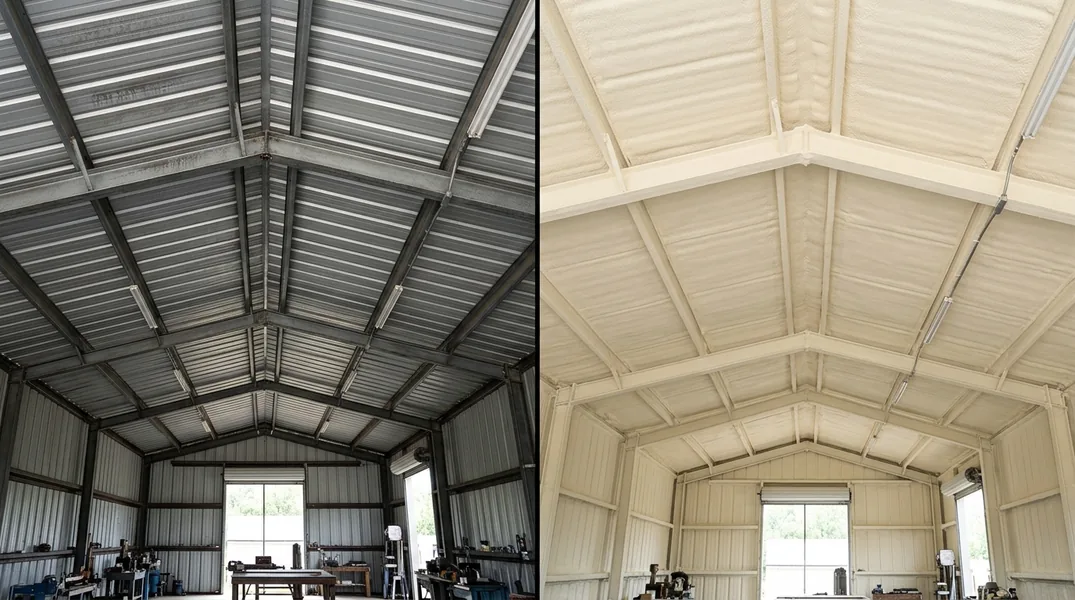
Understanding the Cordova Park Heat Challenge
Cordova Park is a charming neighborhood in Pensacola known for its distinctive block construction and mid-century character. However, these solid concrete block homes present a unique insulation challenge that many homeowners don't anticipate until summer arrives. The thermal mass of concrete blocks absorbs and radiates heat throughout the day, and without proper attic insulation, that heat transfers directly into living spaces, driving up air conditioning costs and creating uncomfortable temperature swings.
The problem intensifies because Cordova Park homes were often built with minimal attic insulation or with outdated materials that have settled or degraded over decades. When you combine the Florida heat, humidity, and intense sun exposure with an underinsulated attic, you're looking at a significant energy efficiency gap. Many homeowners in the area report that their cooling bills spike 30 to 40 percent during peak summer months, and their homes never quite reach a comfortable temperature despite running the AC constantly. The solution isn't just adding more insulation of any kind. It's about choosing the right type of insulation that actually performs in Pensacola's climate.
Spray Foam vs. Blown-In Insulation: Why Spray Foam Wins for Attics
When homeowners start researching the best insulation for attic spaces, they often encounter two main contenders: spray foam and blown-in insulation. Both have their place in the market, but for Cordova Park block homes facing intense summer heat, Attic Spray Foam Insulation delivers superior performance. Blown-in insulation, typically made from fiberglass or cellulose, is installed by blowing loose material into the attic cavity. While this approach is less expensive upfront, it has significant drawbacks in humid climates like ours.
Blown-in materials settle over time, losing R-value and creating gaps where heat can escape or infiltrate. In Florida's moisture-rich environment, cellulose-based blown-in insulation can absorb humidity, leading to mold growth and degradation. Fiberglass blown-in insulation doesn't absorb moisture, but it allows air leakage around irregular framing and penetrations. Spray foam, by contrast, expands to fill every cavity, crack, and void, creating a continuous thermal and air barrier. This air-sealing capability is critical in attic spaces where dozens of small gaps and penetrations exist around ducts, electrical lines, and roof framing. When spray foam hardens, it doesn't settle, compress, or lose effectiveness over time, maintaining its R-value for the life of your home.
Spray Foam vs. Fiberglass: The Performance Difference in Florida Heat
Fiberglass batts have been the standard attic insulation for generations, and many Cordova Park homeowners have it in their existing attics. However, fiberglass has inherent limitations that become apparent in Florida's demanding climate. Fiberglass is an open-cell material that allows air movement through it. This means warm air can convect through the insulation, reducing its effective R-value, especially when temperature differentials are large. During a hot Pensacola summer, when your attic temperature can exceed 140 degrees, that convective heat transfer becomes a major efficiency problem.
Fiberglass also depends on a properly installed vapor barrier to prevent moisture infiltration. In older Cordova Park homes, vapor barriers are often missing, damaged, or improperly installed. Without a good vapor barrier, moisture from the humid Florida air penetrates the fiberglass, and once fiberglass gets wet, it loses insulating value and can support mold growth. Closed Cell Spray Foam Insulation eliminates these problems entirely. Its dense cellular structure stops air movement completely, preventing convective heat loss. It also has a high moisture resistance rating, making it ideal for humid environments. Closed-cell spray foam acts as both the insulation and the air barrier, simplifying the installation and eliminating the need for a separate vapor barrier.
Spray Foam vs. Cellulose: Why Cellulose Falls Short in Pensacola Attics
Cellulose is often marketed as an eco-friendly blown-in insulation option, and while it does have recycled content, it performs poorly in humid coastal environments like Pensacola. Cellulose is hygroscopic, meaning it actively absorbs moisture from the air. In Florida, where relative humidity regularly exceeds 70 percent, cellulose insulation will absorb that moisture, leading to several problems. Wet cellulose loses R-value, becomes heavy, and can sag or settle in the attic, creating gaps in coverage. More concerning, cellulose's high moisture content creates an ideal environment for mold, mildew, and wood rot, which can compromise your home's structural integrity over time.
Additionally, cellulose is treated with fire retardants that can break down over time, especially in hot attics. The material also settles significantly within the first few years of installation, losing 20 to 30 percent of its initial R-value. In contrast, spray foam maintains its R-value indefinitely and actively resists moisture. Open Cell Spray Foam Insulation is slightly more permeable than closed-cell but still vastly superior to cellulose in moisture management. For Cordova Park homeowners seeking long-term performance and peace of mind, spray foam is the clear winner over cellulose.
Attic Spray Foam Insulation Near Me: Choosing the Right Solution for Your Cordova Park Home
If you live in Cordova Park and you're experiencing the summer heat gap, the first step is understanding which type of spray foam is right for your situation. Closed-cell spray foam has a higher R-value per inch (around R-6.5 to R-7 per inch) and provides superior moisture and air barrier properties, making it the premium choice for attics in humid climates. Open-cell spray foam has a lower R-value per inch (around R-3.5 to R-3.8) but is less expensive and still provides excellent air sealing. For most Cordova Park attics, closed-cell spray foam delivers the best return on investment in terms of energy savings and durability.
The installation process requires professional expertise. Spray foam must be applied at the correct temperature and humidity levels to cure properly, and the installer must understand local building codes and the specific challenges of your home's framing. Pensacola Spray Foam Insulation has extensive experience with block homes throughout the area and understands the unique thermal dynamics of Cordova Park properties. A professional assessment of your current attic insulation, air sealing needs, and ventilation will determine the best approach. Ready to close your summer heat gap? Contact us at (850) 903-5081 or request a free estimate today to see how spray foam insulation can transform your home's comfort and efficiency.
Attic Spray Foam Insulation Cost in Pensacola: What to Budget
Cost is always a consideration when planning an attic insulation upgrade. Spray foam typically costs more per square foot than blown-in insulation or fiberglass batts, but the long-term value far exceeds the initial investment. Closed-cell spray foam usually ranges from $1.50 to $2.50 per board foot installed, depending on your attic size, accessibility, and current insulation removal needs. Open-cell spray foam is generally less expensive, ranging from $0.75 to $1.50 per board foot. For a typical Cordova Park attic of 1,500 square feet, you can expect closed-cell spray foam to cost between $3,500 and $6,000 installed, while open-cell would range from $1,500 to $3,500.
While these numbers may seem high compared to blown-in insulation, remember that spray foam delivers superior R-value per inch, eliminates air leakage completely, requires no replacement or maintenance, and can reduce your cooling costs by 15 to 30 percent. Over a 20-year period, those energy savings typically exceed the installation cost. Additionally, spray foam can improve indoor air quality, reduce pest infiltration, and protect your home from moisture damage. For detailed information about pricing specific to your Cordova Park home, contact Pensacola Spray Foam Insulation at (850) 903-5081. We'll provide a transparent quote that breaks down material costs, labor, and expected energy savings so you can make an informed decision.
Looking for a professional spray foam insulation contractor in Pensacola? Pensacola Spray Foam Insulation responds fast for all your spray foam insulation needs.
Get a Free Quote